Are electric heating systems changing their image?
We explain why electric heating is evolving in the way it is perceived, used, and integrated into contemporary living spaces.
For a long time, electric heating has suffered from a rather negative image. It was associated with high energy consumption, limited comfort, and equipment considered less efficient compared to other systems. For many people, it was seen as a default solution, chosen more out of necessity than preference, especially in small apartments or new-build housing.
This perception has become deeply rooted over time, to the point where it is still widely shared today. Whenever electric heating is mentioned, the same criticisms often arise: dry heat, high electricity bills, and lack of precise control. However, this vision no longer fully reflects today’s reality.
Something is changing. Not because electric heating has suddenly become “trendy,” but because the energy context, available technologies, and lifestyle habits have significantly evolved.
A perception inherited from the past
To understand this shift, it is important to go back to the origins of this negative image. Early electric heaters were often inefficient. They produced uneven heat distribution, with strong temperature differences within the same room.
Temperature regulation was also very limited, sometimes even non-existent. As a result, spaces were often overheated or insufficiently warmed. This lack of control led to excessive energy consumption, reinforcing the idea that electricity was expensive and inefficient for heating.
In poorly insulated buildings, these issues were even more visible. Heating systems had to constantly compensate for heat loss, which further increased discomfort and energy bills.
This combination contributed to a long-lasting negative perception, which still persists in many minds today.
A rapidly changing energy context
Today, heating can no longer be considered independently from the broader energy context. The challenges have evolved: it is no longer just about heating efficiently, but also about doing so in a way that is economically stable, predictable, and increasingly sustainable.
Fossil fuels such as gas are subject to price volatility and global uncertainties. These fluctuations make it difficult for households to plan their long-term energy costs.
Electricity, on the other hand, benefits from a more domestic production system and an energy mix that is gradually integrating more renewable sources. This transition contributes to a more stable and transparent energy framework.
This shift plays a key role in changing how electric heating is perceived. The question is no longer only about immediate cost, but also about control, predictability, and long-term consistency.
Equipment that has evolved significantly
One of the main reasons behind this change in perception is the evolution of heating technology itself. Modern electric radiators are no longer comparable to older generations of equipment.
Today, they offer:
precise temperature control
more homogeneous heat distribution
improved thermal inertia
better adaptation to real daily usage patterns
These technological improvements significantly change the user experience. Heat is more stable, more comfortable, and better distributed throughout living spaces.
Heating systems have also become more discreet. They integrate more naturally into interiors without visually dominating the space, contributing to a more coherent design experience.
Changing ways of living redefine heating needs
Beyond technology, it is also lifestyle changes that are reshaping heating requirements. Homes are no longer used in the same way as before.
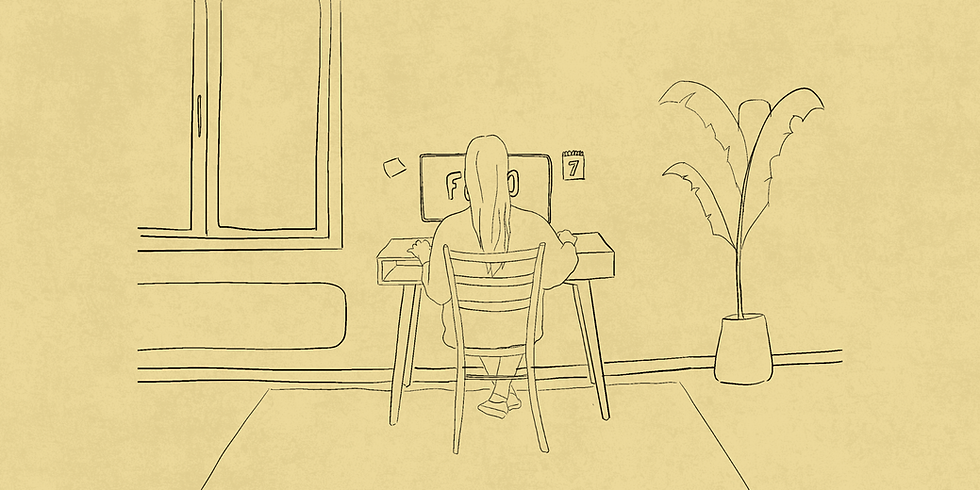
With the rise of remote work, longer time spent at home, and multifunctional living spaces, rooms now serve multiple purposes throughout the day. A living room can become an office, a bedroom can turn into a workspace, and spaces are increasingly flexible.
In this context, uniform heating no longer makes sense. Comfort needs vary depending on time, activity, and room usage.
Electric heating, thanks to its flexibility, allows for more precise control and adaptation. It becomes possible to adjust temperature room by room, according to real-life needs.
A perception still evolving
What is changing today is not only the technology, but also the way electric heating is perceived.
It is no longer seen only as a practical or default solution, but increasingly as a relevant choice within a changing energy landscape. Users are now looking for solutions that offer comfort, control, and consistency.
This evolution is gradual and depends on housing type, insulation quality, and usage habits. However, it clearly reflects a broader transformation in expectations.
The role of mastery in this evolution
One of the most important elements in this change of image is the notion of mastery.
With more efficient equipment, it becomes possible to better control consumption, adjust temperatures precisely and avoid waste.
Heating is no longer an expense, but a system that can be controlled. This ability to regain control profoundly transforms the relationship with heating.
Towards greater control of comfort
One of the most important shifts lies in the idea of control.
With more advanced systems, users can better manage their energy consumption, adjust temperatures more precisely, and avoid unnecessary waste.
Heating is no longer something passively endured, but a system that can be actively managed. This ability to regain control significantly changes the relationship people have with heating.
An evolution that fits over time
The change of image of electric heating is part of a broader transformation. It accompanies the evolution of technologies, uses and the energy context.
What used to be perceived as a constraint can now become a considered choice.
A question of perception... but also of reality
So the question is not only whether the image changes, but why it evolves.
Because conditions have changed, expectations have evolved, and current solutions are no longer like those of yesterday.
At Fogo, we design radiators designed to support this evolution, combining design, performance and intelligent heat management.
Because, beyond technology, it is our way of living in spaces that is evolving.


Comments